

Kate Steven Dyslexia
Assessing specific learning difficulties/dyslexia
Services
Book a 30-minute online consultation to discuss your child’s progress and any concerns about their learning.
This is suitable for parents of children in the primary school years.
The consultation may stand alone as a supportive discussion, or it may help you decide whether a full diagnostic assessment would be helpful.
Full diagnostic assessments for specific learning difficulties, including dyslexia, are offered face-to-face for children aged 8 to 16 years.
Assessments take place in my Fleet office and usually last between 2 and 3 hours. The process includes discussion, observation and standardised assessments, leading to a detailed written report with practical recommendations for home and school.
I provide training and CPD for school staff to develop confidence and expertise in supporting pupils with dyslexia and other specific learning difficulties.
Training can focus on:
Reducing barriers to learning within ordinarily available provision
Developing inclusive classroom strategies
Planning effective 1:1 or small-group interventions
Sessions can be delivered as staff meetings, INSET training, workshops or small group professional learning.


If you are reading this, you may be worried about your child’s progress in school. Many children work hard but continue to struggle with reading, spelling or writing, which can affect confidence and enjoyment of learning. You child may have dyslexia.
Understanding why learning feels difficult is often the first step towards helping a child move forward.
Why would you consider an assessment?
What is a diagnostic assessment?
I offer a diagnostic dyslexia assessment that looks closely at how your child learns to read, write and spell.
Through discussion, observation and carefully selected psychometric tests, the assessment builds a clear picture of your child’s strengths and areas of difficulty. This may lead to a diagnosis of dyslexia, but it also provides practical information to support your child’s learning at school and home.
How can an assessment help your child in school?
A diagnostic assessment can help by:
explaining why your child may be struggling despite effort
helping teachers understand how your child learns best
identifying effective teaching strategies and adjustments
supporting confidence, self-esteem and motivation
improving communication between home and school
a diagnosis of dyslexia can be used to support an application for access arrangements in examinations
a diagnosis of dyslexia can be used to apply for a Disabled Students Allowance (DSA) to support learning at university
Understanding dyslexia
Dyslexia is a life-long condition that mainly affects reading, spelling and writing and can vary from child to child. With the right understanding and support, children with dyslexia can make good progress and develop positive attitudes towards learning.

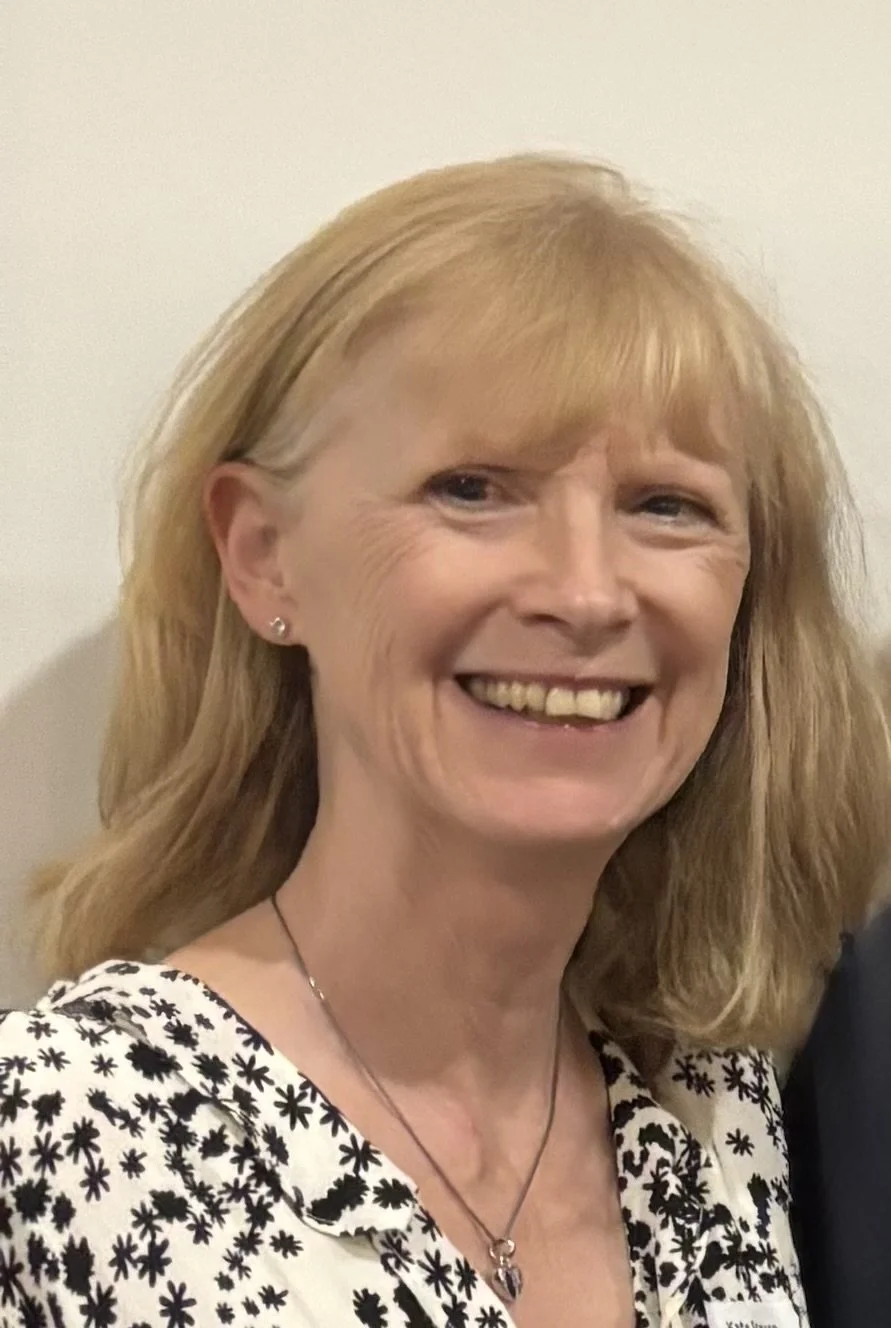
About me and my approach
I am a specialist dyslexia teacher and assessor with over 40 years’ experience in primary education, including 12 years as a head teacher. I provide thoughtful, child-centred assessments that help children feel understood and supported to move forward with confidence.
I am currently a SENCo and specialist teacher for specific learning difficulties in a Hampshire primary school. Supporting children to build confidence and experience success in their learning has always been at the heart of my work.
I trained at the highly respected Helen Arkell Centre, gaining a Level 7 qualification in the Assessment and Teaching of Learners with Dyslexia. My interest in assessment grew from working with bright, capable children who were struggling to learn to read and spell. I wanted to understand why — and to help remove those barriers so that learning could feel positive again.
I believe that when we understand how a child learns, we can put the right support in place to help them achieve their potential. This belief guides both my teaching and the recommendations I make following assessment.
My aim is that every learner leaves the assessment feeling understood, confident, and ready to move forward.
If you are worried about your child’s progress, I would be happy to talk through your concerns.
Credentials
B.Ed, NPQH
NASENCO (SENCo accreditation)
Level 7 Diploma in Dyslexia/Specific Learning Difficulties (SpLDs) from the Helen Arkell Dyslexia Charity
Assessment Practising Certificate (APC)
Professional PATOSS member
Regulated by SpLD assessment Standards Committee (SASC),
Full professional insurance
Enhanced DBS (Disclosure Barring Service) certificate
Registered with ICO for data protection compliance
Frequently asked questions
-
You may notice difficulties with reading, spelling or writing, slow progress despite support, or increasing frustration with schoolwork. An assessment can help clarify what is happening and what support would be most helpful.
-
The focus of the assessment is understanding your child’s learning profile. A diagnosis of dyslexia may be made, but the aim is to provide clarity and guidance rather than a label.
-
Yes. The assessment provides clear information about your child’s strengths and needs, along with practical recommendations that can be shared with school to support teaching and learning.
-
Dyslexia is a life-long difference, but with the right support, children can develop effective strategies and succeed in school and beyond.
-
Assessments are suitable for children aged 8–16 years, when reliable conclusions can be drawn and meaningful recommendations made.
-
You will receive a detailed written report and a feedback meeting to talk through the findings and recommendations. I am also happy to discuss how the report can be shared with school.
Get in Touch
Please use the contact form below or send me an email at ksteven.dyslexia@gmail.com